Why Quality Intelligence Will Become Every CIO’s Most Important Dashboard
Today’s technology executives can monitor nearly every dimension of their business operations in real time. From a single screen, a CIO can track sales pipelines, revenue forecasts, infrastructure utilization, cloud spend, and active security threats. Yet, despite this unprecedented level of operational visibility, one of the most critical indicators of business success remains surprisingly fragmented and dangerously opaque: software quality.
Most organizations still rely on disconnected, localized reports generated by siloed teams. Development measures sprint velocity, QA tracks active defect counts, Operations monitors system uptime, and Customer Support logs post-release issues. While each of these metrics carries individual value, none of them tells the cohesive, complete story of system health.
This fragmentation creates an executive blind spot. When a major release approaches, leadership is often forced to make multi-million-dollar deployment decisions based on fragmented spreadsheets, binary pass/fail ratios, and subjective developer sentiment.
Shift from Technical Metrics to Executive Answers
The modern CIO does not need more raw data, nor do they want another disconnected spreadsheet. The CTO does not need another automated test execution log, and the VP of Engineering is not asking for another dashboard showing how many automated scripts ran overnight.
Technology leadership needs clear, high-fidelity answers to strategic, risk-adjusted questions:
Can we safely deploy this released product today without disrupting core customer journeys?
Where is our greatest concentration of operational and architectural risk?
Which product lines require immediate engineering investment to prevent systemic decay?
How confident should we be in our current security and accessibility compliance posture?
What structural trends are emerging today that will impact our system stability six months from now?
Answering these questions is the core purpose of Quality Intelligence. It moves organizations past the limitations of traditional, reactive QA reporting and elevates quality data into a strategic business asset.

Anatomy of an Executive Quality Dashboard
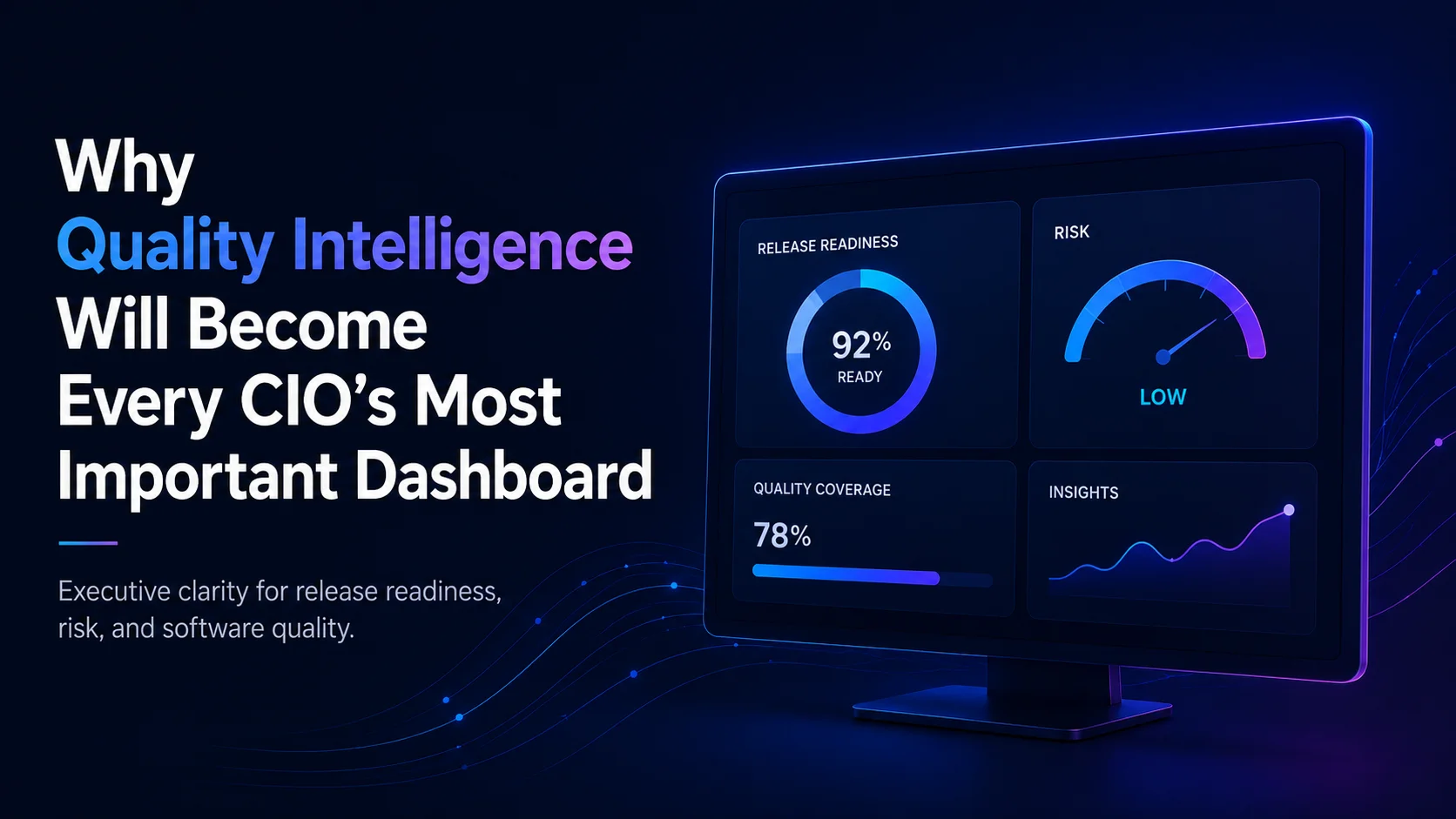
A modern executive Quality Dashboard must synthesize technical telemetry from across the entire software development lifecycle (SDLC) into high-level business indicators. Rather than forcing executives to translate technical jargon, it presents quality through a business-risk lens:
Release Readiness Assessments: Answers the ultimate business question can we safely deploy? by correlating test coverage, defect gravity, and environment stability.
Release Risk Analysis: Pinpoints exactly what could fail in production by mapping code changes to critical business workflows. Test Coverage Analytics: Goes beyond simple unit test percentages to show exactly what remains untested across Web, Mobile, and API layers.
Requirement to Test Mapping: Provides rigorous traceability to prove that key business requirements have been fully validated before deployment. Defect Analytics: Identifies systemic failure patterns and root causes, shifting focus from fixing individual bugs to correcting underlying process bottlenecks.
Predictive Quality Analytics: Highlights where defects are likely to occur next, giving leadership the foresight to allocate budget and engineering resources proactively.
The Next Evolution: From Reactive to Predictive Quality
Historically, quality reporting has been entirely post-mortem. A system breaks in production, customer support is overwhelmed, and a subsequent incident report is generated to explain what went wrong.
In an era of continuous delivery and AI-accelerated development, this reactive posture is a major business risk. The objective of modern software engineering must shift from measuring failures after they occur to actively preventing them.
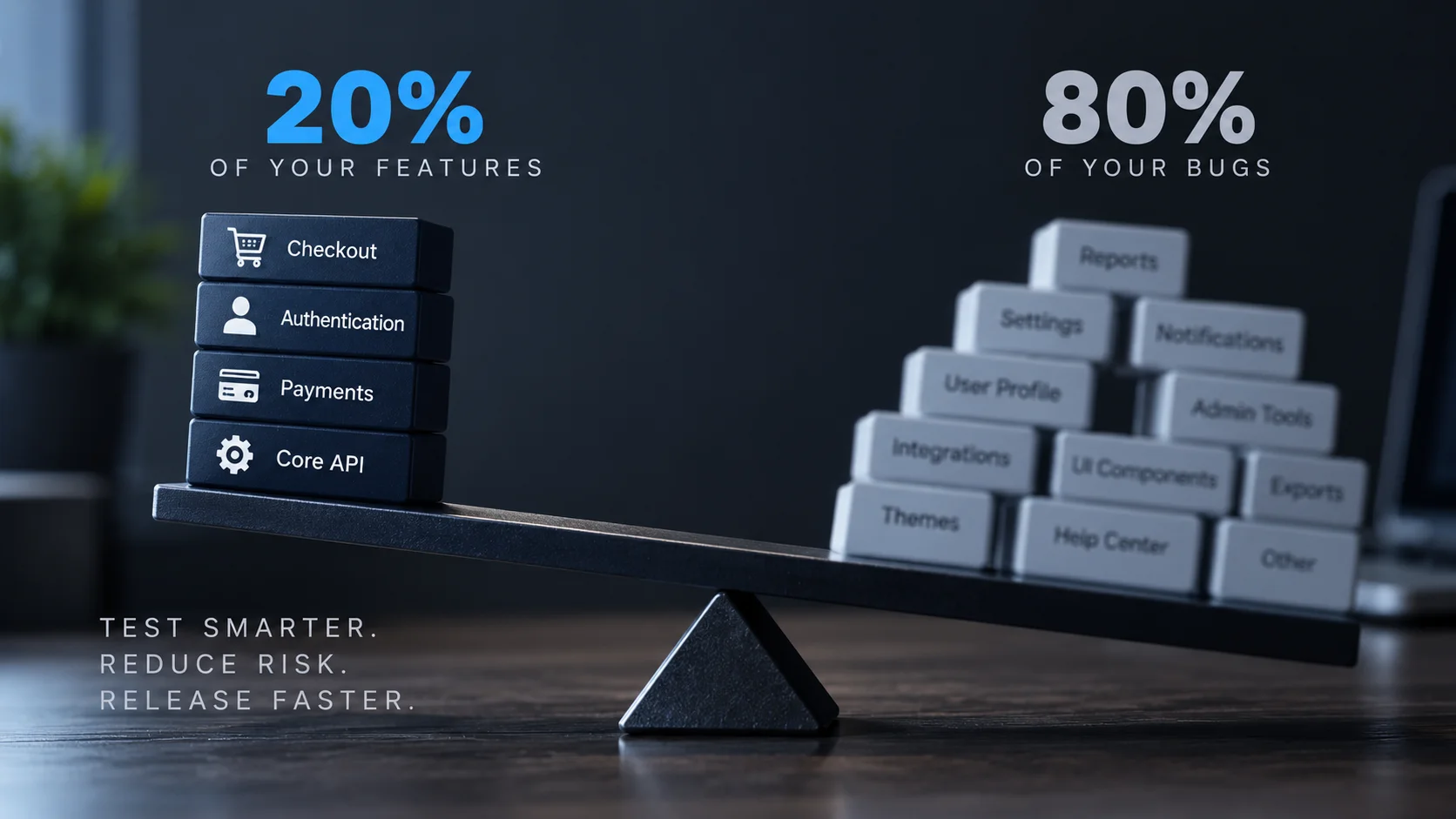
By leveraging machine learning and AI Quality Intelligence, organizations can analyze historical commit patterns, code complexity, test coverage gaps, and past production incidents to build a predictive defense model. This allows leadership to identify: Highly complex code modules with a statistically high probability of future failure. Legacy regression suites that are losing their effectiveness over time. High-traffic user workflows and critical transaction paths that lack sufficient automated validation. Shifting API payloads that threaten the stability of downstream microservices. Instead of playing a continuous game of whack-a-mole with production hotfixes, engineering teams can use these insights to proactively harden systems before a single line of code is deployed.
A Common Language for Every Team
The power of Quality Intelligence lies in its ability to serve as a unified translation layer across the entire enterprise.
It breaks down technical barriers and provides tailored value to every stakeholder in the delivery chain: Software Developers gain immediate, context-aware feedback on code quality, allowing them to fix bugs before they leave their local environments.
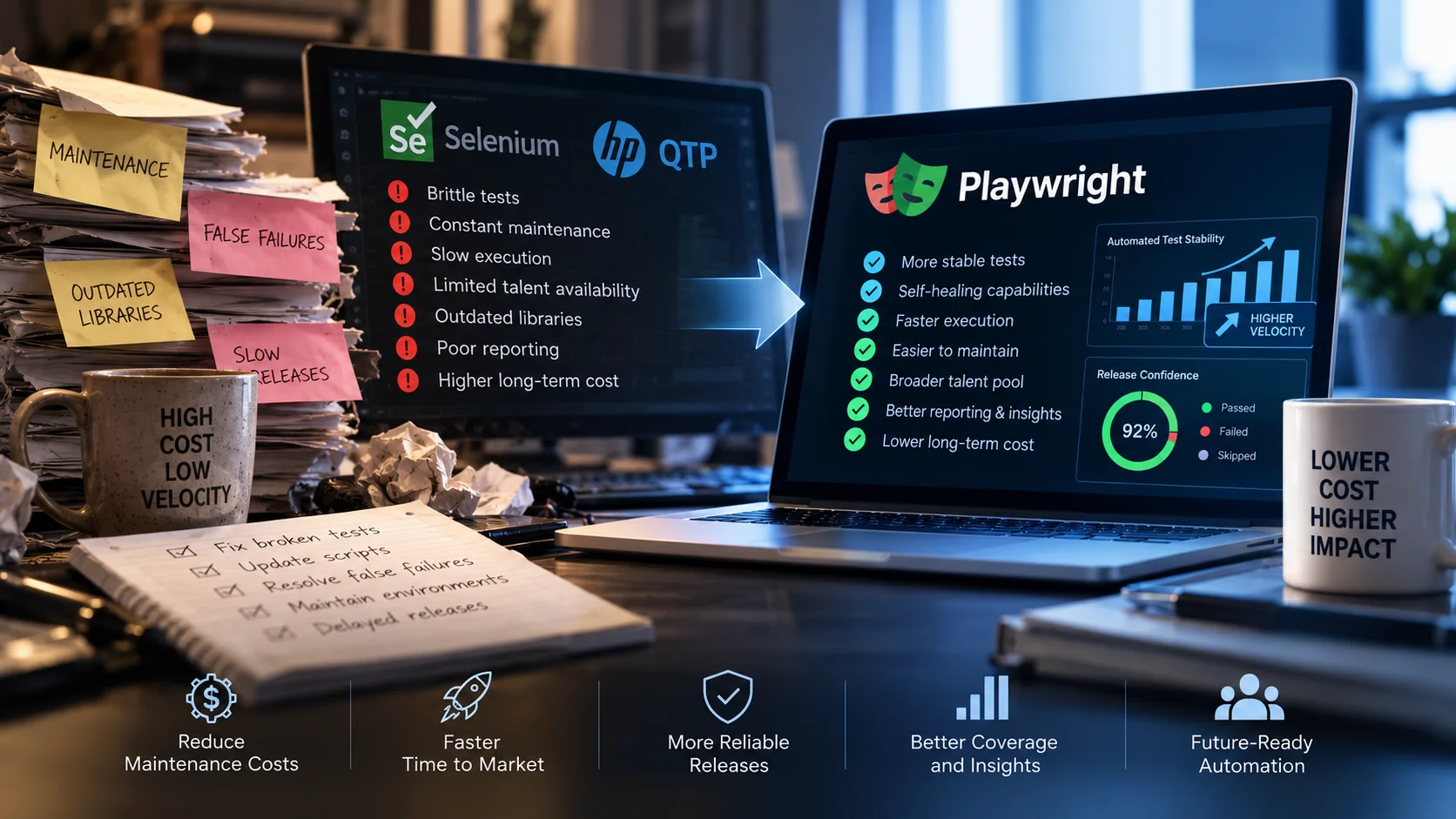
Quality Engineers receive deeper Test Coverage Analytics, freeing them from basic script maintenance to focus on high-value exploratory and usability testing.
Product Managers gain a clear, unvarnished view of business risk, helping them make informed trade-offs between feature velocity and system stability. Operations & SRE Teams can reliably predict production behavior and system load, ensuring seamless, zero-downtime deployments. CIOs & Executive Leadership gain absolute confidence in their release decisions, protecting both the customer experience and the company's bottom line.
Enterprise Readiness in the AI Era
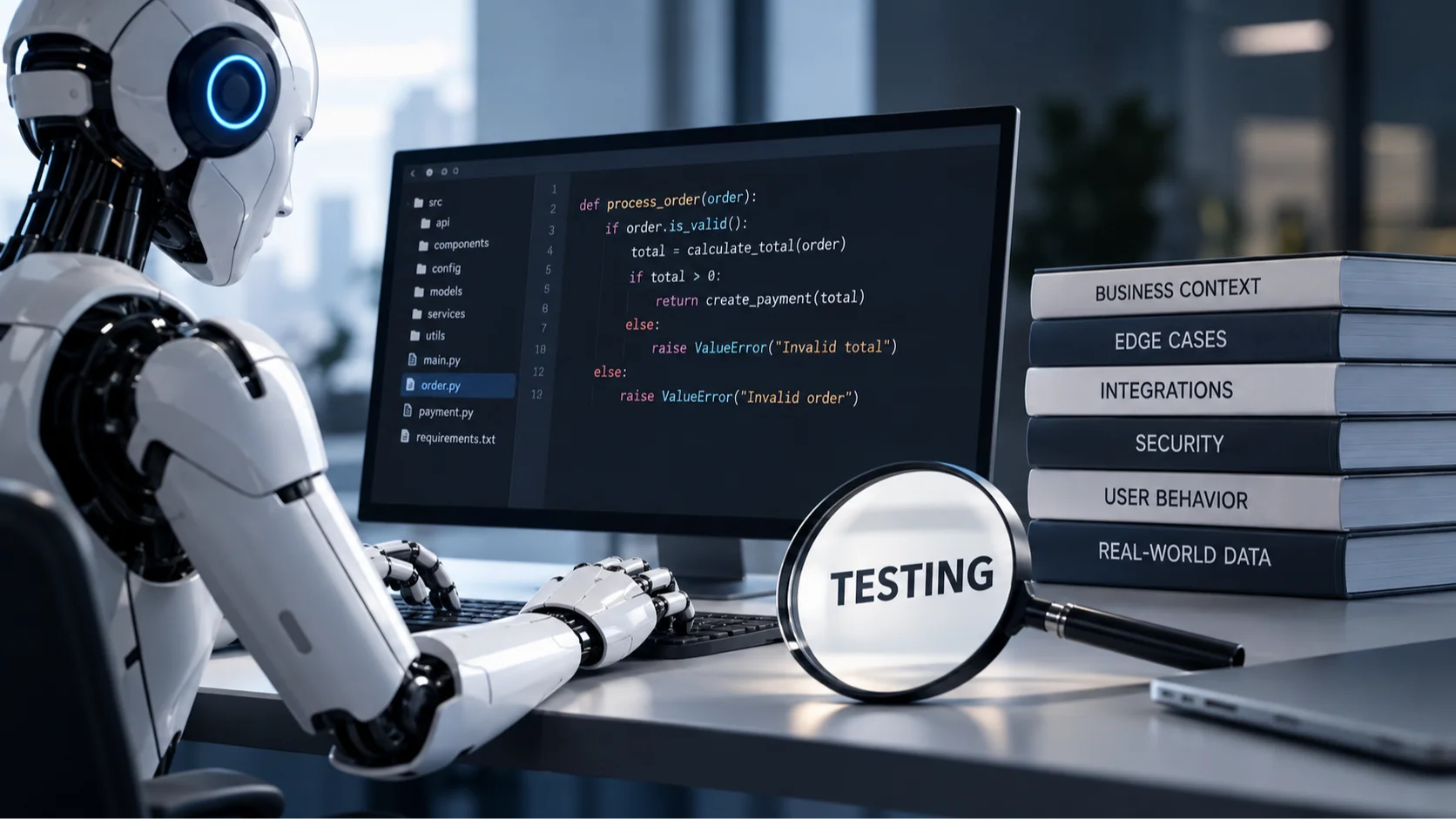
Over the next decade, the integration of generative AI into software engineering will push development speeds to unprecedented levels. As automated systems generate more code and launch features faster than ever before, traditional, manual quality reporting will simply collapse under the volume. When code generation accelerates, quality decisions must become faster, smarter, and highly automated.
The future of software quality is no longer about adopting another testing framework or writing more test scripts. It is about building an intelligence platform that seamlessly transforms engineering data into strategic business decisions. Before every major release, every executive asks their engineering leaders the same fundamental question: "Are we ready?" Quality Intelligence does not simply answer that question with a binary guess. It provides empirical proof, the risk analysis, and the systemic context that explains exactly why.