The End of the Manual Tester: What Happens to QA Careers in 2027?
For years, manual testing has been a foundation of software quality.
Testers followed test cases, validated workflows, reproduced defects, ran regression cycles, and documented results before every release.
That work still matters. But the role built primarily around manual test execution is shrinking.
Automation has already changed how regression testing is performed. AI is accelerating that shift by helping teams generate tests, analyze failures, identify patterns, prioritize coverage, and investigate defects faster.
Does that mean QA careers are disappearing?
No. But the definition of a valuable QA professional is changing.
By 2027, the most valuable QA professionals will be those who move beyond repetitive execution and develop stronger capabilities in quality strategy, risk, automation, AI, and data.
Manual Testing Isn't Disappearing. Manual Execution Is.
There is an important difference.
Human judgment remains essential for exploratory testing, usability, complex scenarios, business validation, and understanding whether software actually works as customers expect.
What is becoming harder to justify is repetitive manual execution.
If the same predictable regression scenario is being executed manually release after release, organizations will increasingly ask:
Why isn't this automated?
AI makes that question even more relevant.
AI-assisted tools can already support test generation, failure analysis, log investigation, coverage identification, and automation maintenance.
The opportunity isn't to remove people from quality.
It's to remove repetitive work so QA professionals can focus on the decisions that require human judgment.
QA Is Moving From Execution to Strategy
Traditional QA often operates near the end of development.
Build. Test. Find defects. Fix. Retest. Release.
Modern quality organizations are moving away from this model.
Instead of simply asking:
"What should we test?"
QA professionals increasingly need to help answer:
-
Where is the greatest release risk?
-
Which customer journeys are business-critical?
-
Where are our regression coverage gaps?
-
What should be automated?
-
Which test results can we trust?
-
How should AI-generated functionality be validated?
-
Do we have enough evidence to release?
This moves QA from checking software after it is built to helping shape how quality is engineered throughout development.
And that shift is creating new career paths.
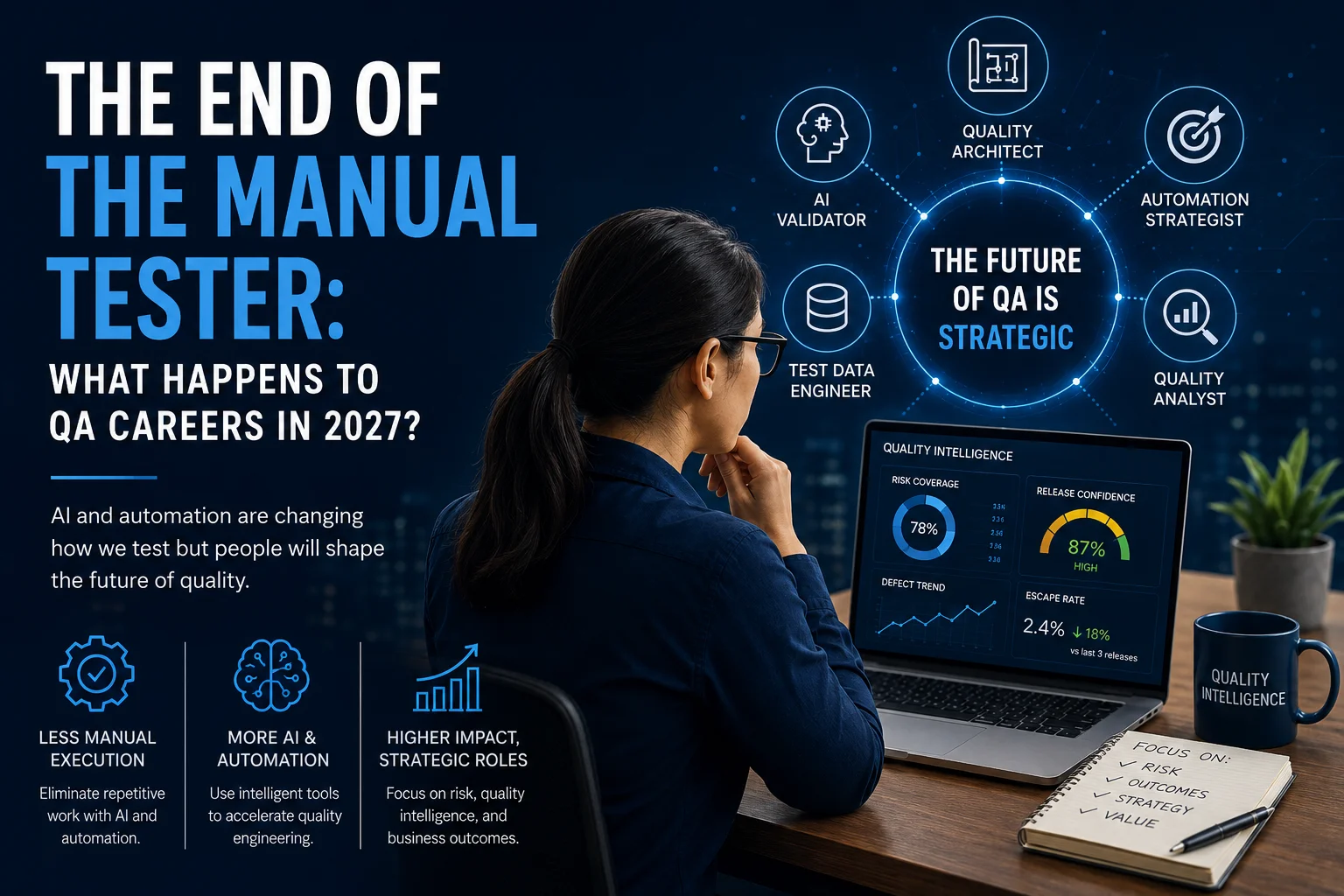
Five QA Roles to Watch in 2027
Quality Architect
Quality Architects look beyond individual test cases and design how quality operates across the software delivery lifecycle.
They help define automation strategy, quality gates, risk-based testing, CI/CD integration, release governance, and quality metrics.
Their question isn't simply, "How do we test this?"
It's:
"How do we engineer quality at scale?"
AI Validator
AI-powered applications create new testing challenges because their outputs are not always predictable.
AI Validators may evaluate accuracy, consistency, hallucinations, edge cases, model behavior, data quality, and business-specific acceptance criteria.
As AI becomes part of more products, QA professionals who can determine whether AI behavior is reliable and appropriate will become increasingly valuable.
Test Data Engineer
Modern testing depends on increasingly complex data.
Test Data Engineers help ensure teams have reliable, secure, and scalable test data across environments, integrations, APIs, customer scenarios, and automated workflows.
As testing becomes more automated and data-driven, test data becomes part of the quality architecture itself.
Automation Strategist
The future of automation isn't about automating everything.
It's about automating what matters.
Automation Strategists determine which workflows should be automated, where coverage is missing, which tests are unstable or redundant, and how automation should integrate with CI/CD and AI-assisted testing.
The goal shifts from more automated tests to more meaningful confidence.
Quality Analyst
Software teams already generate enormous amounts of quality data.
Tests. Defects. Code changes. Production incidents. Coverage. Release history.
Quality Analysts connect those signals to identify patterns and emerging risks.
Instead of reporting:
"120 tests failed."
They help answer:
"What do those failures mean for this release?"
That is the transition from testing data to Quality Intelligence.
The Skills QA Professionals Will Need
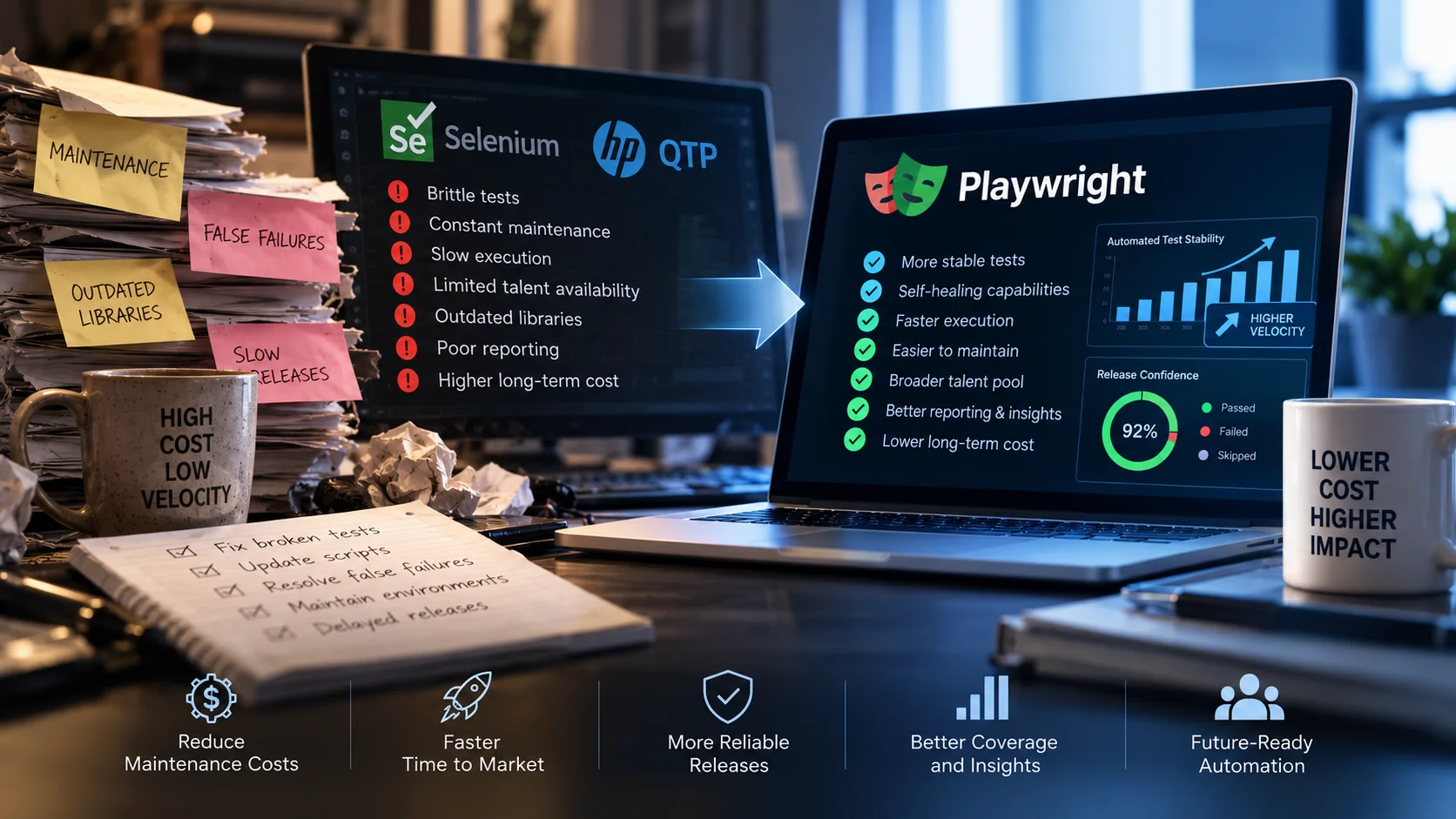
The safest career strategy for QA professionals isn't simply learning the next testing tool.
Tools will continue to change.
The more durable skills are those that help organizations understand and manage quality.
Business context helps QA understand which failures matter most.
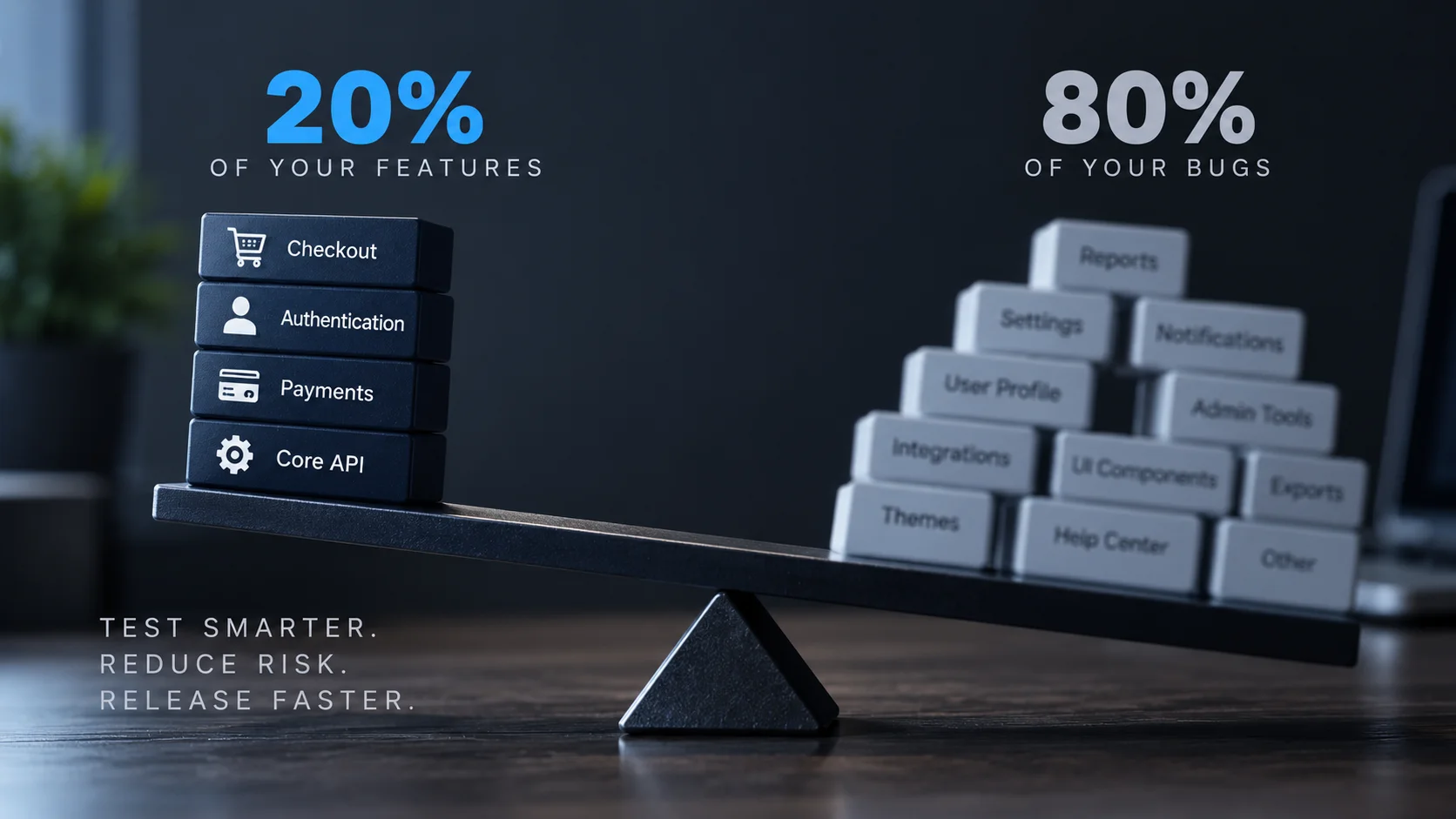
Risk-based thinking helps teams prioritize testing around areas with the greatest potential impact.
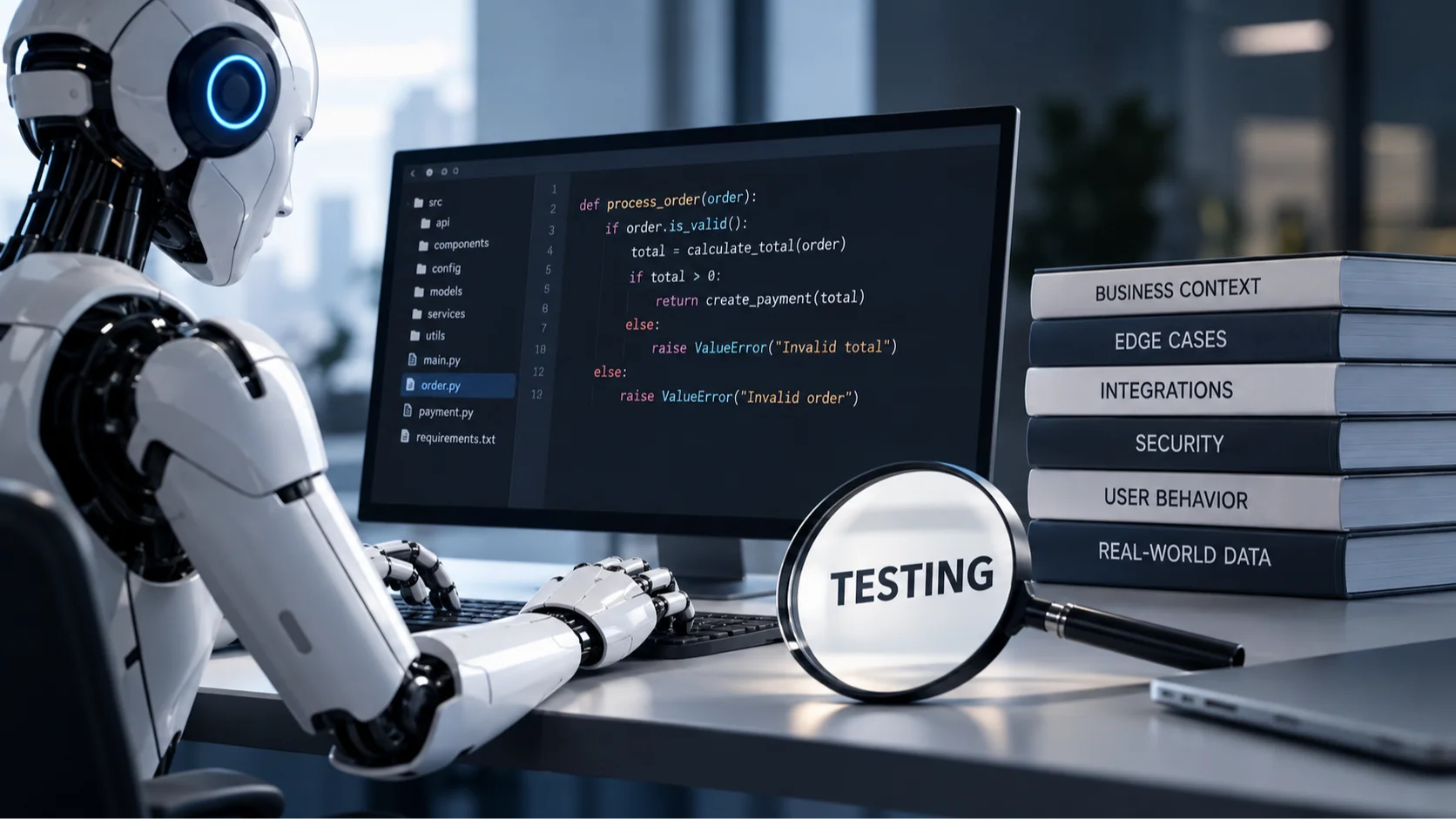
Test design remains critical because AI can generate tests, but humans still need to determine whether those tests provide meaningful coverage.
Data literacy allows QA professionals to interpret defect escape rates, flaky test trends, risk coverage, production signals, and release confidence.
And AI literacy will increasingly become part of the job. QA professionals do not necessarily need to build AI models, but they do need to understand how AI can support testing and where human validation remains essential.
AI Should Remove Work, Not Judgment
The conversation about AI in QA is often framed around replacement.
But there is a more useful way to look at it.
What if AI reduces the time QA teams spend rerunning predictable tests, investigating routine failures, maintaining scripts, and compiling reports?
That creates more time for work that has greater business value:
Analyzing risk.
Designing stronger coverage.
Investigating quality trends.
Validating complex systems.
Improving automation.
Advising engineering leaders on release readiness.
AI can perform more of the execution.
QA professionals still need to provide the judgment.
QA Leaders Need to Prepare Their Teams
This transition isn't only the responsibility of individual testers.
CTOs, CIOs, VPs of Engineering, and QA leaders need to consider whether their current QA model is preparing teams for this shift.
If QA success is still measured primarily by test cases executed, bugs reported, or automation scripts created, organizations may be measuring activity rather than quality.
The better questions are:
Can QA identify release risk?
Does the team understand critical business workflows?
Is automation providing reliable coverage?
Can quality data support release decisions?
Is AI eliminating repetitive work?
And ultimately:
Is QA helping the organization make better decisions?
From Test Execution to Quality Intelligence
The evolution of QA careers reflects a larger evolution in software quality.
Traditional testing asks:
Did it pass or fail?
Quality Engineering asks:
How do we build quality into development?
Quality Intelligence asks:
What does our quality data tell us about risk, readiness, and what we should do next?
That progression creates an opportunity for QA professionals to become more influential, not less.
The tester of 2027 may spend less time manually executing scripts.
But they may spend significantly more time influencing how software is designed, tested, released, and improved.
The manual tester may be disappearing. The quality professional is becoming more important.
Is Your QA Model Ready for 2027?
AI and automation are changing more than testing tools. They are changing the skills, workflows, and quality models organizations need to deliver software with confidence.
QA Bolt helps organizations evaluate their current QA model, uncover regression coverage gaps, modernize quality practices, and move from test execution toward Quality Intelligence.
Take the FREE Quality Maturity Assessment to identify where your QA organization stands today and where it needs to evolve next.
Beyond Testing. Powered by Quality Intelligence.